
Essential Keto Shopping Guide: A Beginner’s Roadmap
So, you’ve decided to dip your toes in the Keto pool, and I bet you’re feeling a little lost. You’re probably wondering where to start, what to buy, what to avoid, and how to maintain a balanced diet while adhering to the high-fat, low-carb requirements of the ketogenic diet. Don’t worry, I’ve been there, and I’m here to share some tips and a comprehensive keto shopping list to set you on the right path.
First things first, I strongly suggest doing a complete kitchen overhaul. Discard or donate food items that don’t align with your new lifestyle: think sugars, cereals, pastries, pastas, and any processed food. Trust me, it’s easier to stick to a new diet when temptations aren’t within arm’s reach.
Next, familiarise yourself with keto-friendly foods. Knowing what is safe to eat and having a variety of options will make the transition a lot smoother.
Keto-friendly Proteins
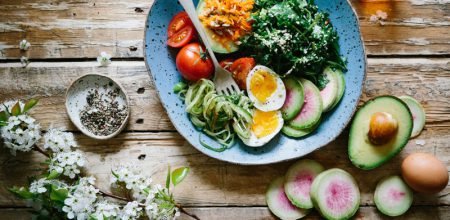
A primary source of your daily calorie intake should be from proteins. Opt for meats like chicken, turkey, pork and beef. Including seafood like salmon, mackerel and sardines can also provide essential fatty acids. Eggs are another excellent source of protein. Keep these in your fridge for meals and snacks.


Keto-friendly Vegetables
Vegetables are an important part of any diet, and that includes the ketogenic diet. Though you should avoid starchy vegetables like potatoes, corn and peas, there is a vast amount of keto-friendly veggies to enjoy. Stock up on low-carb options like spinach, cucumbers, zucchini, cauliflower, broccoli, and bell peppers.
Keto-friendly Fats and Oils
Fats and oils are a significant part of the ketogenic diet, and having a range of these can add a variety to your day-to-day dishes. Look for extra virgin olive oil, coconut oil, avocados, and butter.
Dairy Products
Dairy products are a great source of calcium and protein. Opt for full-fat yogurts (without added sugars), hard and soft cheeses, as well as heavy creams.
Seeds and Nuts
Nuts and seeds are high in fat, low in carbs and a great source of protein. Some choices are: almonds, pistachios, sunflower seeds, chia seeds, and flaxseeds.
Sweeteners
We all need a little sweetness in our lives. Natural sweeteners like Stevia, Erythritol, and monk fruit extract are perfect for satisfying those cravings.
Spices and Condiments
Most spices are okay to consume on the diet. Restrict your intake of packaged condiments and sauces – most are high in sugar.
Pantry Staples
Other essentials include vinegars (like balsamic and apple cider), bone broth, unsweetened tea and coffee, as well as unsweetened almond milk.
Frequently Asked Questions
Can I include fruits in my keto diet?
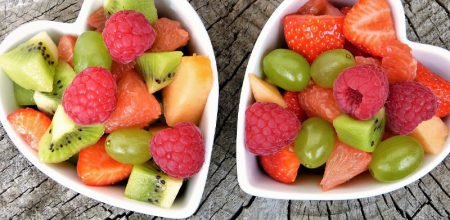
Yes, but it’s crucial to remember that not all fruits are keto-friendly. Berries are a good option, as they are low in carbs and high in fiber.
What are keto-friendly snacks?
High-quality, unsalted nuts and seeds, cheese, olives, and avocados.
Is chocolate allowed on the keto diet?
Dark chocolate, particularly those above 85% cocoa can be enjoyed in moderation.
What oils should I avoid?
Avoid processed vegetable oils like canola oil, soybean oil, and corn oil.
Can I drink alcohol on the keto diet?
While some forms of alcohol are okay in moderation, they can slow weight loss. Stick with low-carb alcohol like dry wine or spirits.
Can I eat bread on a ketogenic diet?
No, regular bread is generally not considered keto-friendly due to high-carb content. However, there’s a variety of recipes for “keto bread” available online.
Conclusion
Adapting to a new diet, especially like the keto diet, can be challenging. Remember, it’s not about depriving yourself of things you enjoy; it’s about finding substitutes. This beginner-friendly keto shopping list should help you make healthier choices. Eat plenty of low-carb veggies, remember to consume high-quality proteins and fats, opt for keto-friendly snacks, use natural sweeteners sparingly, and monitor your intake of dairy and alcohol. With these guidelines, you’re well on your way!
Remember to always consult with a healthcare professional before making significant changes to your diet. After all, everyone’s bodies and dietary requirements are different. Stay committed, pay attention to how you feel and adjust as necessary, and enjoy the journey to a healthier, fitter you. Happy shopping!